
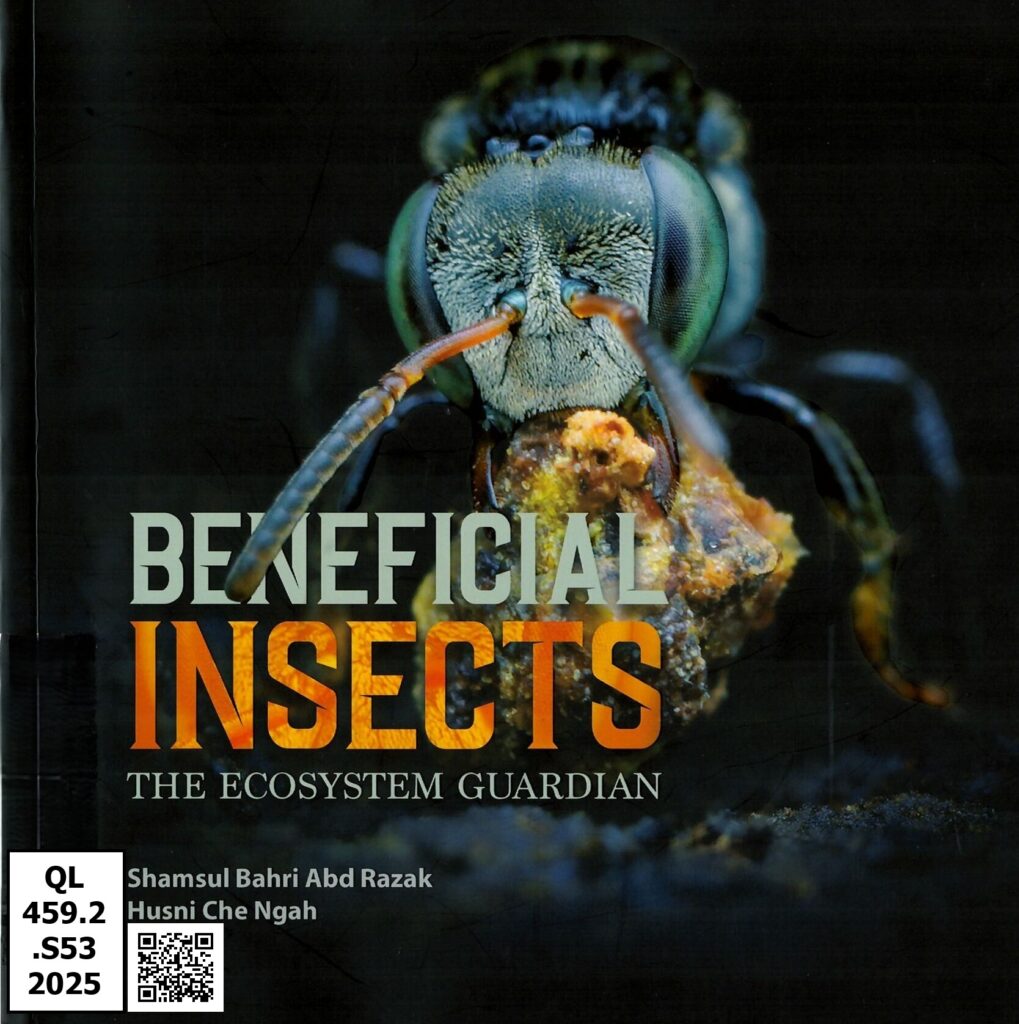
Description of the book:
- Overview of Beneficial Insects in Ecosystems
- The book introduces readers to the vital functions of insects that support life on Earth. It explains how insects such as pollinators, predators, and decomposers contribute to ecological balance and biodiversity. Through engaging narrative and photos, it shows insects as “ecosystem guardians” rather than mere pests.
- Pollination and Food Production
- A major theme is the role of beneficial insects in pollination, which is essential for crop production and food security. The authors describe how insects like bees and butterflies facilitate the reproduction of flowering plants, directly affecting yields in agriculture and survival of wild flora.
- Natural Pest Control
- The book highlights insects that act as natural enemies of pests — such as predatory beetles, lacewings, and parasitoid wasps — detailing how they help control harmful pest populations without chemical pesticides. This section ties into concepts of integrated pest management and sustainable farming.
- Symbiotic Relationships and Interconnectedness
- Through vivid photographs and stories, the authors explore the interconnectedness between insects and plants. It emphasizes how ecosystems depend on complex symbiotic relationships where even tiny insects play outsized roles in nutrient cycles, soil health, and habitat stability.
- Practical Appreciation and Conservation
- Beyond science, this book encourages appreciation for insect life and advocates for protecting beneficial insect populations. It provides insights for naturalists, gardeners, and conservationists on observing and fostering insect diversity as part of ecosystem stewardship.